
5 Biggest Mistakes That Kill Real Estate Deals

Real estate deals fall through more often than you'd think, and the same avoidable mistakes keep costing buyers and sellers thousands of dollars. If you're a first-time homebuyer, experienced investor, or real estate agent, understanding these common real estate deal mistakes can save you from watching your dream transaction crumble at the last minute.
The biggest culprits behind failed real estate deals often come down to poor preparation and cutting corners where you shouldn't. We'll walk through the most expensive real estate transaction errors that derail closings, including why skipping professional inspections backfires every time and how inadequate financial preparation leaves buyers scrambling. You'll also learn why missed contract deadlines can kill deals instantly and how unrealistic pricing expectations create problems that follow you from listing to closing.
These aren't just minor hiccups - they're deal-breakers that cost people their earnest money, dream homes, and sometimes tens of thousands in additional expenses. Let's dig into what goes wrong and how to avoid these costly real estate closing mistakes.
Skipping Professional Property Inspections

Hidden structural damage that surfaces after closing
Imagine walking into your new home three months after closing only to discover water stains spreading across the living room ceiling. Without a professional inspection, serious structural issues like foundation cracks, roof damage, or plumbing problems can remain hidden until it's too late. Many home buying mistakes stem from this exact scenario - buyers who trusted their own eyes or relied on the seller's assurances instead of hiring qualified inspectors.
Professional inspectors use specialized equipment like moisture meters, thermal imaging cameras, and electrical testers to uncover problems invisible to the untrained eye. They climb into crawl spaces, examine electrical panels, and test systems that casual walkthroughs miss entirely. These real estate deal mistakes become expensive nightmares when foundation settling, termite damage, or outdated wiring surfaces months later.
Costly repairs that weren't factored into the budget
Professional inspections typically cost between $400-$800, but skipping them can lead to repair bills reaching tens of thousands. A faulty HVAC system replacement costs $5,000-$12,000, while foundation repairs can exceed $20,000. Smart buyers factor potential repair costs into their offer price, but without inspection data, they're flying blind.
Consider these common expensive surprises:
-
Electrical system upgrades: $3,000-$8,000
-
Roof replacement: $8,000-$25,000
-
Plumbing overhauls: $4,000-$15,000
-
Mold remediation: $2,000-$10,000
These property inspection mistakes don't just drain bank accounts - they can make properties uninhabitable during repairs, forcing temporary housing costs on top of renovation expenses.
Legal complications from undisclosed property defects
When sellers fail to disclose known issues and buyers skip inspections, legal battles often follow. Courts frequently side with buyers who can prove sellers knew about problems but didn't reveal them. However, proving this becomes much harder without professional documentation.
Inspection reports serve as legal protection, establishing a property's condition at the time of sale. Some states require seller disclosures, but enforcement varies widely. Professional inspectors understand local building codes and can spot code violations that create liability issues for new owners.
Lost negotiation opportunities for price reductions
Inspection findings give buyers powerful negotiation leverage. Discovering a $3,000 electrical issue lets buyers request repairs, credits, or price reductions before closing. Without inspections, these real estate transaction errors cost buyers money they could have saved.
Smart negotiation strategies include:
-
Requesting seller repairs for safety issues
-
Negotiating price reductions for cosmetic problems
-
Asking for closing cost credits
-
Walking away from properties with major defects
Professional inspectors often pay for themselves through the savings they generate during negotiations. Missing this opportunity ranks among the costliest real estate closing mistakes buyers make.
Inadequate Financial Preparation and Pre-Approval

Weak pre-approval letters that sellers reject
Getting a pre-approval letter from any lender isn't enough anymore. In today's competitive market, sellers and their agents can spot weak pre-approval letters from a mile away. These flimsy documents often come from online lenders who haven't thoroughly verified your income, assets, or employment history.
Strong pre-approval letters include specific loan amounts, down payment details, and clear expiration dates. They come from reputable local lenders who have actually reviewed your financial documents, not just run a quick credit check. Sellers want to see that your lender has verified your employment, reviewed bank statements, and confirmed your debt-to-income ratio.
Many buyers make the mistake of getting pre-approved for their absolute maximum loan amount, leaving no room for bidding wars or unexpected costs. Smart buyers get pre-approved for slightly more than their target price, giving them flexibility when multiple offers start flying.
Last-minute financing issues that delay closing
Real estate deal mistakes often happen when buyers assume their financing will stay on track without any hiccups. Banks can change their minds, even after issuing a pre-approval letter. Job changes, new credit inquiries, or shifts in your financial situation can derail your loan just days before closing.
Lenders typically verify employment and run credit checks again right before closing. Opening new credit cards, making large purchases, or changing jobs can trigger red flags. Even something as simple as a large deposit that wasn't properly documented can cause delays.
Smart buyers maintain regular contact with their loan officer throughout the process and avoid making any major financial moves until after closing. They also have backup financing options ready, just in case their primary lender runs into problems.
Insufficient funds for closing costs and down payments
One of the most devastating home buying mistakes is underestimating the cash needed at closing. Many buyers focus solely on the down payment and forget about closing costs, which typically range from 2-5% of the home's purchase price.
These costs include appraisal fees, title insurance, attorney fees, recording fees, and prepaid items like property taxes and homeowners insurance. First-time buyers often get blindsided by these expenses, especially when they vary from the initial estimates.
Successful buyers keep extra cash reserves beyond their down payment and estimated closing costs. They account for potential cost overruns, last-minute repairs discovered during the final walkthrough, and immediate move-in expenses. Having 20-30% more cash than you think you'll need prevents these real estate transaction errors from killing your deal at the last minute.
Poor Communication Between All Parties

Delayed Responses That Frustrate Buyers and Sellers
Time moves fast in real estate, and even a 24-hour delay can mean the difference between closing and losing a deal. When agents take days to return calls or fail to respond to urgent emails, emotions run high and trust erodes quickly. Buyers start questioning whether their agent really has their best interests at heart, while sellers wonder if they should have chosen different representation.
The worst part? These delays often create a domino effect. A simple question about repair requests that goes unanswered for two days can push back counter-offer negotiations, compress inspection timelines, and ultimately threaten the entire transaction. Smart agents understand that real estate deal mistakes often stem from communication breakdowns, not complex contract issues.
Miscommunication About Contract Terms and Deadlines
Real estate contracts are dense documents filled with specific dates, contingencies, and obligations. When parties receive conflicting information about these details, the foundation of the entire deal begins to crack. One agent tells their client the inspection period ends on Friday, while the other mentions Tuesday - suddenly, everyone's scrambling to figure out who's right.
These real estate contract mistakes happen more often than you'd think. Loan contingency dates get confused, earnest money deadlines slip through the cracks, and closing dates become moving targets. The chaos spreads quickly when no one takes ownership of maintaining accurate timelines and clearly communicating changes to all parties.
Lack of Coordination Between Agents, Lenders, and Attorneys
Real estate transactions involve multiple professionals who must work together seamlessly. When listing agents don't loop in buyer's agents about showing feedback, or when lenders fail to update attorneys about appraisal delays, critical information falls through the cracks.
The most successful deals happen when everyone stays in the loop through regular updates and shared communication channels. Weekly status calls, group email threads, and shared document platforms keep all parties aligned and prevent the kind of coordination failures that turn into failed real estate deals.
Critical Information Gaps That Derail Negotiations
Information is power in real estate negotiations. When one party operates with incomplete or outdated information, they make decisions that can torpedo an otherwise solid deal. A buyer might walk away from a property thinking the seller won't budge on price, not knowing the seller actually received new information that makes them more flexible.
These gaps often occur when agents filter information too heavily or assume certain details aren't important enough to share. Market updates, comparable sales data, and inspection findings should flow freely between all parties to enable informed decision-making.
Unrealistic Expectations Due to Poor Information Sharing
Nothing kills deals faster than unrealistic expectations, and poor communication is usually the culprit. When agents don't educate their clients about current market conditions or fail to explain what's actually negotiable in a contract, clients develop expectations that simply can't be met.
A seller might expect multiple offers in a buyer's market because their agent didn't clearly explain market dynamics. A buyer might demand extensive repairs without understanding that sellers in competitive markets rarely agree to major concessions. Clear, honest communication from the start prevents these home buying mistakes and keeps expectations grounded in reality.
Unrealistic Pricing and Market Expectations

Overpriced listings that sit on the market too long
When sellers price their homes too high, they create one of the most common real estate deal mistakes that can completely derail a transaction. Properties that sit on the market for months often develop a stigma, making buyers wonder what's wrong with them. Smart buyers and their agents start to assume there are hidden problems, leading to even lower offers than what the home might have originally fetched at a fair price.
The market has a way of speaking, and overpriced listings send the wrong message. Homes that linger for 90+ days typically end up selling for less than they would have if priced correctly from the start. Sellers lose negotiating power as their listing grows stale, and they often find themselves accepting offers well below their initial asking price after months of carrying costs and stress.
Real estate agents know that pricing strategy can make or break a deal. Homes priced 10-15% above market value rarely generate the competitive bidding that drives prices up. Instead, they sit ignored while similar properties at fair prices receive multiple offers and sell quickly.
Lowball offers that offend sellers and end negotiations
Buyers who submit extremely low offers often kill deals before they even begin. While everyone wants a good deal, offers that come in 20-30% below asking price typically insult sellers and shut down communication entirely. These real estate transaction errors happen when buyers misunderstand market dynamics or get overly aggressive in their negotiation strategy.
Successful negotiations require a balance between getting value and showing respect for the seller's position. Lowball offers suggest that buyers haven't done their homework or don't understand the property's true worth. Sellers often refuse to counter these offers, choosing instead to wait for more reasonable buyers who demonstrate genuine interest.
The psychology of negotiation plays a huge role in real estate transactions. When sellers feel disrespected by an initial offer, they become emotionally resistant to working with that buyer, even if subsequent offers improve. Smart buyers research the market thoroughly and make competitive initial offers that keep negotiations moving forward.
Ignoring comparable sales data and market trends
One of the biggest property buying blunders involves making pricing decisions without proper market research. Both buyers and sellers who ignore recent comparable sales data set themselves up for failed real estate deals. The market doesn't care about personal opinions or wishful thinking - it operates on facts and recent transaction history.
Comparable sales within the last 3-6 months provide the most accurate pricing guidance, yet many people rely on outdated information or properties that aren't truly similar. Successful transactions depend on understanding current market conditions, neighborhood trends, and seasonal patterns that affect pricing.
<table class="c0"><tbody><tr class="c7"><td class="c16 c15" colspan="1" rowspan="1"><p class="c10"><strong>Key Market Factors</strong></p></td><td class="c1 c15" colspan="1" rowspan="1"><p class="c10"><strong>Impact on Pricing</strong></p></td></tr><tr class="c7"><td class="c16" colspan="1" rowspan="1"><p class="c10"><span class="c8">Recent comparable sales</span></p></td><td class="c1" colspan="1" rowspan="1"><p class="c10"><span class="c8">Most accurate pricing benchmark</span></p></td></tr><tr class="c7"><td class="c16" colspan="1" rowspan="1"><p class="c10"><span class="c8">Days on market average</span></p></td><td class="c1" colspan="1" rowspan="1"><p class="c10"><span class="c8">Indicates market pace and competition</span></p></td></tr><tr class="c7"><td class="c16" colspan="1" rowspan="1"><p class="c10"><span class="c8">Inventory levels</span></p></td><td class="c1" colspan="1" rowspan="1"><p class="c10"><span class="c8">Affects negotiating power</span></p></td></tr><tr class="c7"><td class="c16" colspan="1" rowspan="1"><p class="c10"><span class="c8">Interest rate trends</span></p></td><td class="c1" colspan="1" rowspan="1"><p class="c10"><span class="c8">Influences buyer demand and affordability</span></p></td></tr></tbody></table>Market trends shift constantly, and what worked six months ago might not apply today. Buyers who ignore rising prices in hot markets often find themselves priced out, while sellers who don't recognize cooling conditions may miss opportunities to sell at peak values. Professional real estate agents provide access to current market data and help interpret trends that impact pricing decisions.
Home purchase pitfalls frequently stem from emotional decision-making rather than data-driven analysis. Both parties benefit when they base their expectations on solid market research rather than gut feelings or outdated assumptions about property values.
Missing Critical Contract Deadlines and Contingencies

Expired inspection periods that eliminate buyer protections
Time limits on inspection periods protect buyers from purchasing properties with hidden defects, but these windows close faster than most people realize. Buyers typically get 7-14 days to complete inspections and decide whether to proceed, request repairs, or walk away from the deal. When this deadline passes without action, buyers lose their right to negotiate repairs or cancel the contract based on property conditions.
Real estate contract mistakes happen when buyers assume they have more time or forget to mark critical dates on their calendar. Once the inspection period expires, you're locked into purchasing the property "as-is," even if you discover major issues later. This single oversight can cost thousands in unexpected repairs or force you into owning a problem property.
Smart buyers immediately schedule inspections after contract acceptance and track deadlines religiously. Professional inspectors often book out several days in advance, so waiting until the last minute creates unnecessary pressure and potential deal-killing delays.
Missed financing deadlines that void purchase agreements
Loan approval deadlines aren't suggestions - they're contract requirements that can instantly void your purchase agreement. Most contracts give buyers 21-30 days to secure financing, but lenders don't always move at the speed buyers expect. When financing deadlines pass without approval or extension, sellers can legally cancel the contract and keep your earnest money.
Failed real estate deals frequently stem from buyers who submit loan applications late or fail to respond quickly to lender requests for additional documentation. Each day of delay eats into your already tight timeline, creating a domino effect that can destroy months of house hunting efforts.
The mortgage process involves multiple moving parts: appraisals, underwriting, employment verification, and final approval. Any hiccup along the way can push you past your deadline. Successful buyers start the pre-approval process before house hunting and maintain constant communication with their lender throughout the transaction.
Forgotten contingency removals that create legal disputes
Contingency removals require specific written notice by exact deadlines, yet buyers regularly forget to formally remove contingencies even when they're satisfied with inspections, appraisals, or other conditions. This creates legal gray areas that can lead to disputes between buyers and sellers about whether the contract remains valid.
Property buying blunders often involve assuming that verbal agreements or informal communications count as official contingency removals. Contracts require written documentation delivered according to specific terms. Missing these formal requirements gives either party grounds to claim breach of contract.
Each contingency has its own removal deadline, creating multiple critical dates buyers must track simultaneously. Inspection contingencies might expire on day 10, financing on day 21, and appraisal on day 17. Real estate transaction errors multiply when buyers lose track of these overlapping timelines.
Late document submissions that delay or cancel closings
Closing schedules depend on timely document submission from all parties, but late paperwork submissions create cascading delays that can push closings past contract deadlines. Lenders require extensive documentation, title companies need clear ownership records, and buyers must provide updated financial information throughout the process.
Real estate closing mistakes often begin with small delays that snowball into deal-killers. A late tax return submission delays final loan approval, which pushes closing past the contract deadline, giving sellers legal grounds to cancel and potentially pursue damages. Even one missing document can derail weeks of preparation.
Home purchase pitfalls multiply when multiple parties submit required documents late. Sellers might delay providing property disclosures, buyers could be slow with updated bank statements, or agents might miss deadline notifications. Each delay compounds the others, creating time pressure that leads to rushed decisions or cancelled transactions.
Professional real estate agents maintain detailed timelines and checklists to prevent these issues, but buyers and sellers must also take personal responsibility for meeting their document submission deadlines. The most expensive home buying mistakes often stem from simple oversights that could have been prevented with better organization and attention to detail.
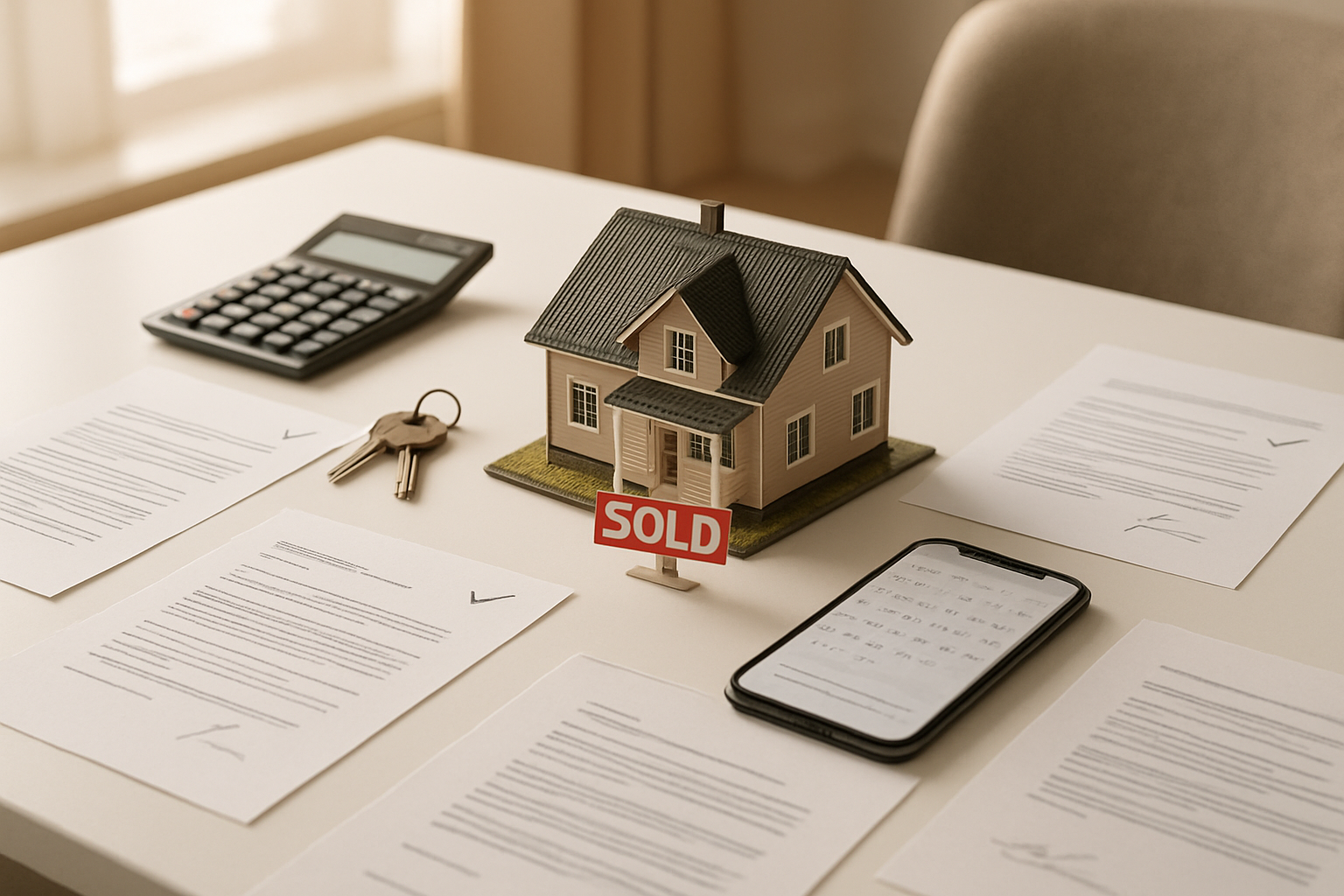
Real estate deals don't have to fall apart if you stay on top of these five critical areas. Getting a thorough property inspection, securing proper financing upfront, keeping everyone in the loop with clear communication, pricing your property right for the market, and meeting all your contract deadlines can make the difference between a successful closing and a costly mistake. These aren't just suggestions – they're the fundamentals that separate smooth transactions from deal-killing disasters.
Don't let avoidable mistakes cost you your dream home or a profitable sale. Take the time to work with experienced professionals, prepare your finances properly, and stay organized throughout the process. Your future self will thank you when you're holding those keys or that closing check instead of wondering what went wrong.


