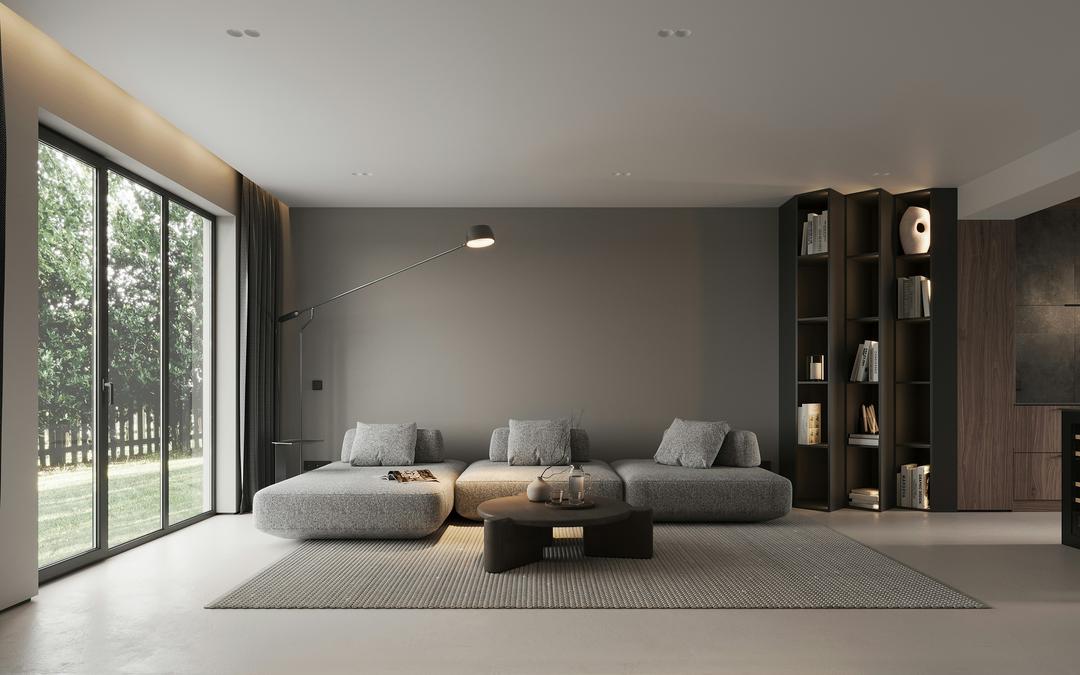
Virtual staging that is pixel-identical where it matters
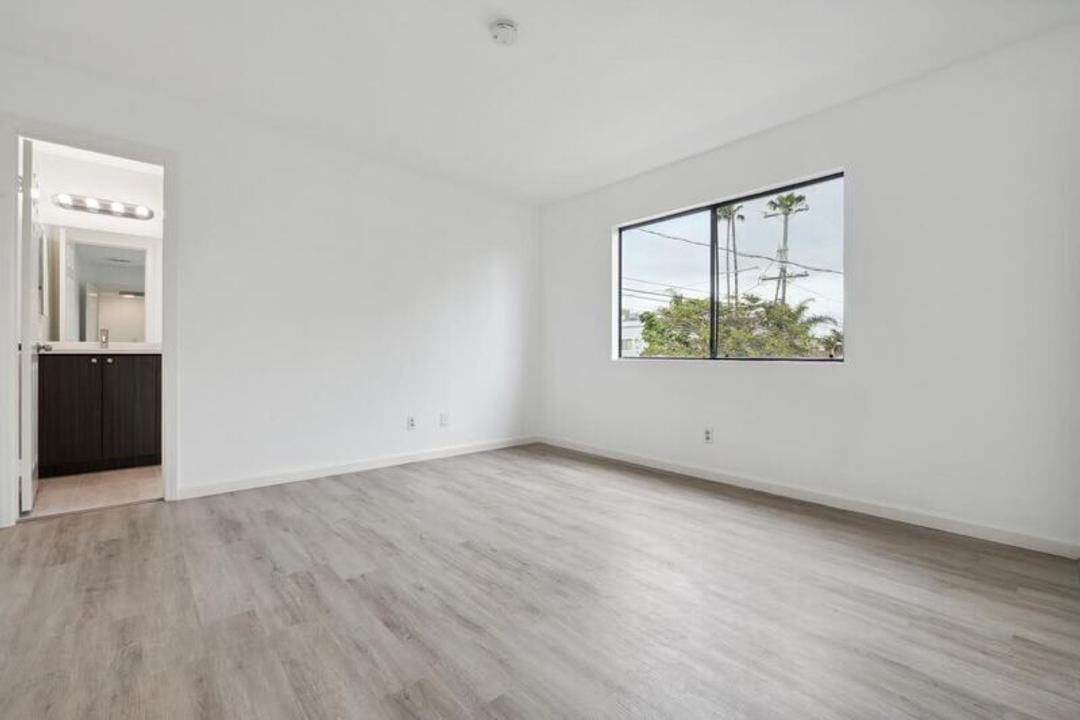
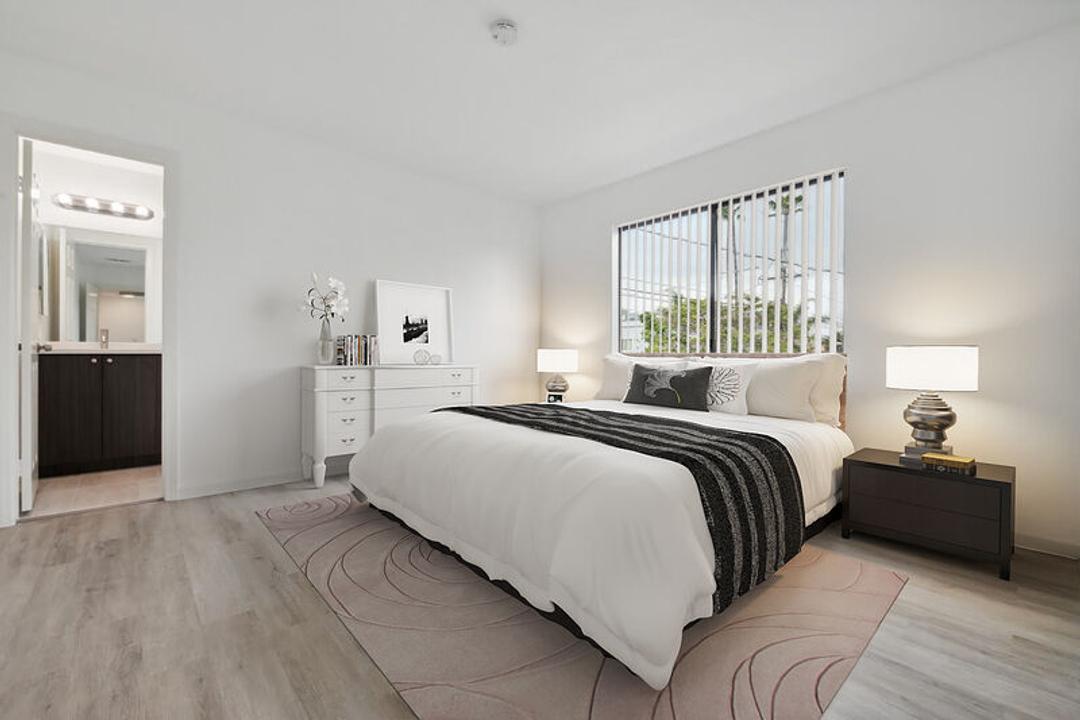
Walls, windows, floors, ceilings, baseboards, and built-ins stay byte-for-byte the same between source and output. Only the staged content changes. Not a manual masking trick — an engineering guarantee from a model trained to make structural drift impossible.

Edensign 워크플로
촬영 원본 사진에서 바로 올릴 수 있는 매물까지.
- 01Step 01
분석 및 가격 책정
사진과 주소를 업로드하세요.
- 02Step 02
스테이징 및 디자인
방과 스타일을 선택하세요.
- 03Step 03
게시 및 판매
검토하고 내보내세요.
- MLS용 매물 설명
- 전체 패키지 내보내기
- 공유 가능한 구매자 페이지출시 예정
- 매물 성과 추적출시 예정
Engineering guarantees
What stays exactly the same
Six classes of pixels our model is constrained to preserve. The diff is downloadable on every render.
Walls
Plane preservation
Wall planes, edges, corners, and surface texture stay locked.
Windows
Frame fidelity
Window frames, mullions, glass area, and view through preserved.
Floors
Perspective lock
Floor material, grain direction, and vanishing point unchanged.
Ceilings
Height lock
Ceiling height, beams, and lighting fixture positions preserved.
Trim
Detail lock
Baseboards, crown molding, door frames, and built-in millwork untouched.
Outside
View preservation
Anything visible through windows or doorways stays identical.
Mechanism
How we make drift impossible
Three engineering choices that distinguish architecture-trained editing from generic image generation.
- 1
Constraint 1
Element-segmentation conditioning
Every input photo is segmented into structural elements (wall, floor, window, ceiling, trim) before the model runs. The model is conditioned to leave non-staging segments byte-identical to the source — they pass through, not regenerated.
- 2
Constraint 2
Edge-preservation loss
During training, the loss function penalizes any drift in detected edges of structural elements between input and output. Generic image models have no equivalent term — they're free to reshape any pixel that improves perceptual quality.
- 3
Constraint 3
MLS-rule reward model
A reward model trained on listing-compliance reviews flags outputs that would mislead a buyer — new openings, removed structural elements, fabricated views — and the generator is fine-tuned away from them. The model literally cannot ship the failure modes that get listings flagged.
Structural fidelity — how it works
Related but different. MLS compliance is a set of policy rules about what a listing photo can show. Structural fidelity is the engineering property that makes compliance the default — if the building can't change between source and output, you can't accidentally produce a non-compliant render. For the policy framing, see virtual-staging-structural-integrity; for the engineering, you're already here.
Manual masking is reactive: you tell the tool what not to touch, every time, for every photo. Element-segmentation conditioning is preventive: the model is structurally incapable of drifting on those pixels, on every photo, by default. No mask to forget, no edge to feather, no boundary to clean up.
Yes. Every render produces an overlay diff that shows exactly which pixels changed. On a clean render the diff is contained entirely within the staged content — furniture, accessories, lighting — with structural pixels showing as zero delta.
Use the targeted tool for that change — Repaint Wall, Flooring Replacement, Renovation — which scopes the model to that specific element with the same preservation guarantees applied to everything else. Structural fidelity is a default, not a wall.
Because most of them are thin wrappers around general-purpose image models with no segmentation conditioning, no edge-preservation loss, and no MLS reward model. The upstream model was trained to make beautiful images, not to keep your building the same building. Architecture matters; see /architectural-ai for the full picture.
Read next
More on the technical moat
Pillar
Architecture-trained AI — the moat
The dataset, training stages, and benchmarks behind every fidelity guarantee on this page.
ReadComparison
Why generic image AI fails on listings
Side-by-side examples of how Midjourney, DALL·E, and Stable Diffusion break structural fidelity by default.
ReadPolicy
Virtual staging without structural changes
The MLS-compliance framing of the same guarantee — what the rules say, and how Edensign meets them by default.
Read당신의 다음 매물은
더 나은 비전을 누릴 자격이 있습니다
다음 매물을 분석하고, 스테이징하고, 게시하세요. 신용카드도, 디자인 실력도 필요 없습니다.
- 1비교 매물 분석(CMA)
- 2주택 개선 및 스테이징 제안
- 3구매자 매력도 및 포지셔닝
- 4MLS용 매물 설명
매물 사진을 끌어다 놓으세요폴더째로도 가능 · JPG, PNG, WebP, AVIF, HEIC첫 보고서와 처음 2개 방은 무료입니다. 신용카드가 필요 없습니다.